


What’s the Difference Between Gas Fires?
Comparing Gas Fires: Which Type Is Right for Your Home?
Gas fires remain one of the most popular ways to add warmth and style to a living room. They provide instant heat, require less maintenance than solid fuel stoves, and are available in a wide range of designs. However, choosing the right gas fire can be difficult, especially when comparing efficiency, heat output, installation requirements, and running costs.
This guide compares the main types of gas fires to help you find the best option for your home.
Types of Gas Fires
Free Standing Gas Fires
Free standing gas fires sit on a hearth or floor and often traditional gas fires.
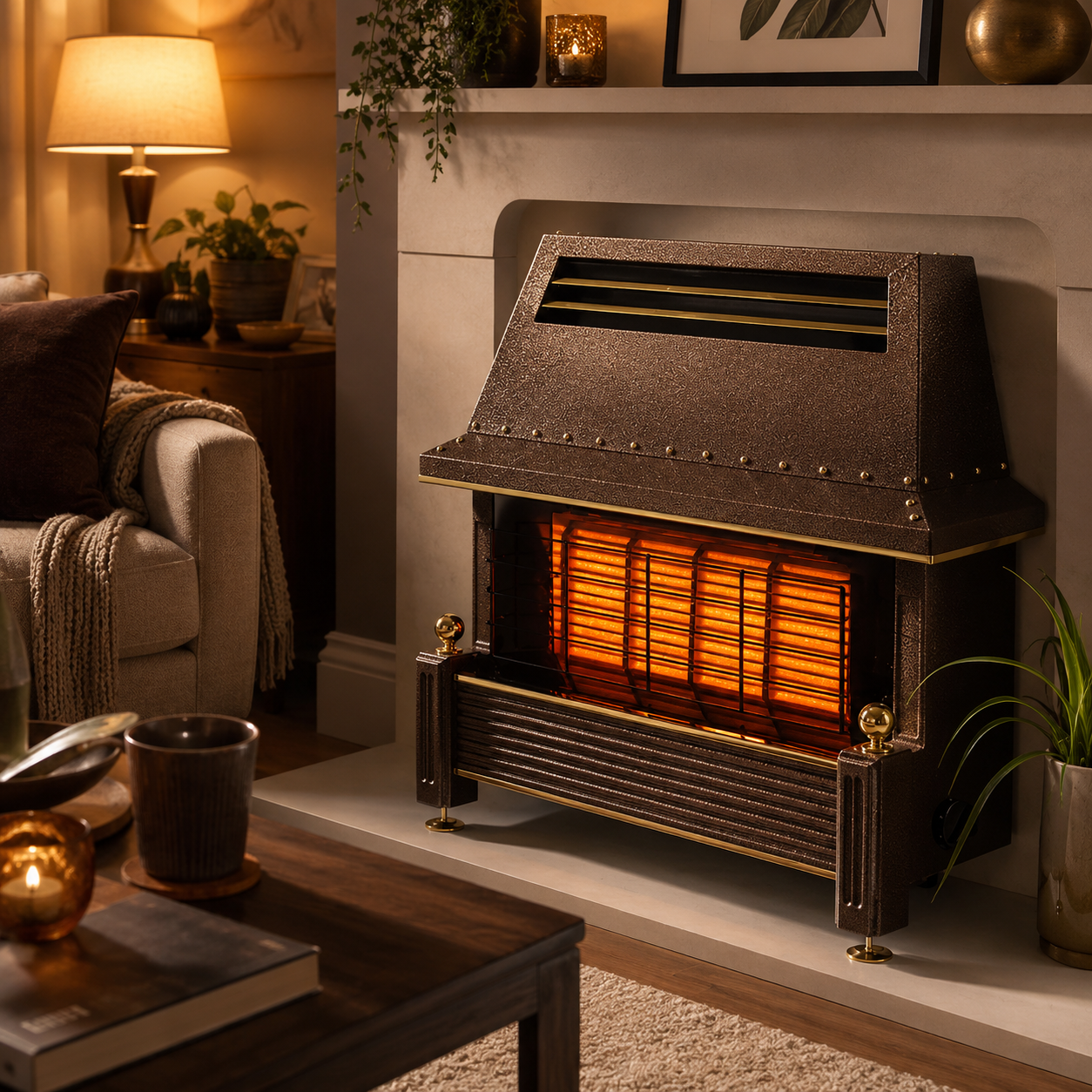
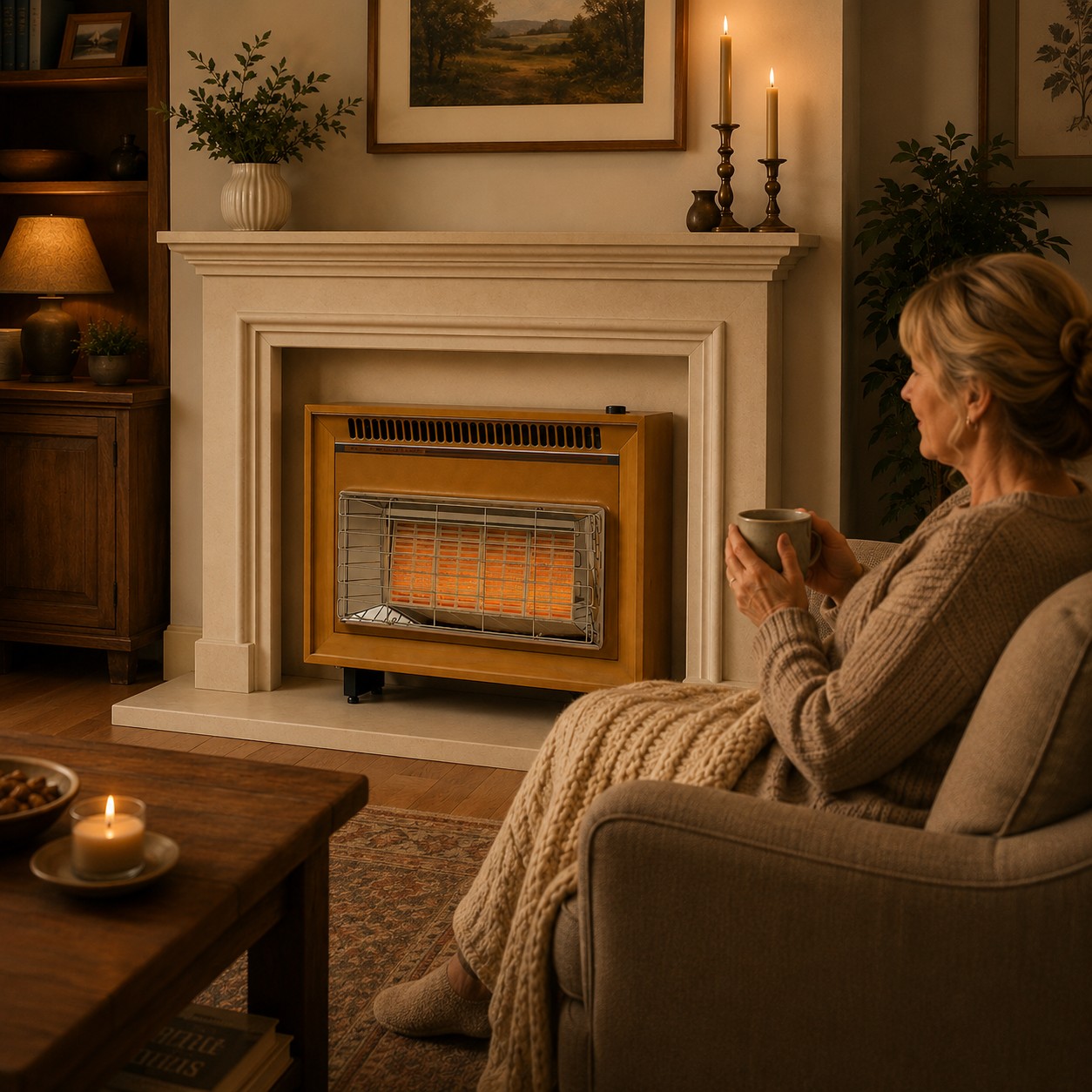
Benefits
- Strong focal point in a room
- Stove-style appearance
- Excellent heat output
- Available in traditional and contemporary designs
Considerations
- Requires floor space
- Usually needs a chimney or flue system
Best For
- Cottage-style homes
- Larger living rooms
- Customers wanting a stove appearance without solid fuel
High Efficiency Gas Fires
High efficiency gas fires are designed to convert more of the fuel used into usable heat for your room. Many modern models achieve efficiency ratings of over 80%.
Benefits:
- Lower running costs
- Higher heat output
- Reduced heat loss up the chimney
- Suitable for regular home heating
Best For:
- Homeowners looking to reduce energy bills
- Frequently used living rooms
- Replacing older, inefficient gas fires
Wall Mounted Gas Fires
Wall mounted gas fires are fitted directly onto or into a wall, creating a modern floating appearance.
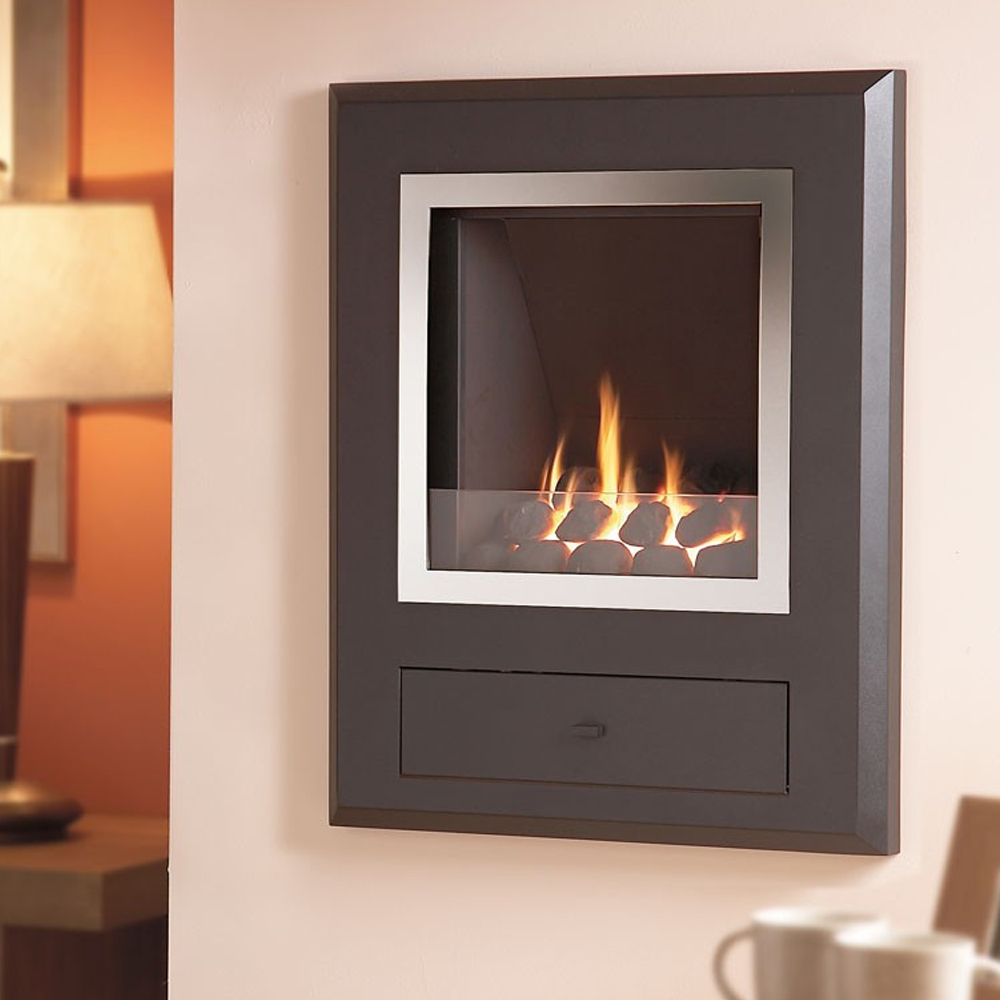

Benefits
- Modern, stylish design
- Saves floor space
- Creates a contemporary focal point
- Often supplied with remote controls
Considerations
- Installation location must be suitable
- May require additional building work
Best For
- Modern homes
- Apartments
- Contemporary interiors
Glass Fronted Gas Fires
Glass fronted gas fires feature a sealed glass panel across the front of the appliance. This design allows greater control of airflow and improves efficiency.
Benefits:
- Excellent heat retention
- High efficiency ratings
- Modern appearance
- Improved safety
Considerations:
- Glass requires occasional cleaning
- The front panel becomes hot during operation
Best For:
- Modern homes
- Energy-conscious households
- Main living areas
Open Fronted Gas Fires
Open fronted gas fires offer a traditional appearance with visible flames and often feature coal or pebble fuel effects.
Benefits:
- Attractive real-fire appearance
- Wide range of traditional designs
- Lower initial purchase cost
Considerations:
- Lower efficiency than glass-fronted models
- More heat lost through the chimney
Best For:
- Decorative installations
- Traditional homes
- Occasional use
Balanced Flue Gas Fires
Balanced flue gas fires are ideal for homes without a conventional chimney. They draw air from outside and expel exhaust gases through a horizontal wall flue.
Benefits:
- No chimney required
- High efficiency
- Flexible installation options
- Safe sealed combustion system
Best For:
- New-build properties
- Modern homes
- Rooms without a chimney
Flueless Gas Fires
Flueless gas fires use a catalytic converter to clean combustion gases, meaning no chimney or flue is required.
Benefits:
- Nearly 100% efficient
- Flexible installation
- Lower installation costs
- Excellent heat output
Considerations:
- Requires permanent room ventilation
- Annual servicing is essential
Best For:
- Homes without a chimney
- Apartments
- Energy-efficient heating
Gas Fire Efficiency Comparison
| Gas Fire Type | Typical Efficiency |
|---|---|
| Open Fronted Gas Fire | 50% – 65% |
| Glass Fronted Gas Fire | 75% – 90% |
| High Efficiency Gas Fire | 80% – 90%+ |
| Balanced Flue Gas Fire | 80% – 90% |
| Flueless Gas Fire | Up to 100% |
Which Gas Fire Produces the Most Heat?
If heat output is your priority, look for:
- High Efficiency Gas Fires
- Glass Fronted Gas Fires
- Balanced Flue Gas Fires
Many models provide between 3kW and 5kW of heat output, making them suitable for most UK living rooms.
Traditional vs Modern Gas Fires
Traditional Gas Fires
- Coal or log fuel effect
- Brass, chrome, or cast-iron finishes
- Suitable for period properties
- Often open fronted
Modern Gas Fires
- Minimalist designs
- Hole-in-the-wall installations
- Glass fronted technology
- Higher efficiency ratings
Running Costs
The running cost of a gas fire depends on:
- Heat output (kW)
- Gas prices
- Efficiency rating
- Daily usage
Generally, a higher-efficiency gas fire may cost more initially but can save money over time through reduced gas consumption.
Frequently Asked Questions
Are gas fires cheaper to run than electric fires?
In many cases, gas fires can be cheaper to run due to lower fuel costs and higher heat output, although this depends on current energy prices.
Can I install a gas fire without a chimney?
Yes. Balanced flue and flueless gas fires are specifically designed for homes without a traditional chimney.
Which gas fire is the most efficient?
Flueless gas fires are often considered the most efficient, with some models achieving close to 100% efficiency.
Do gas fires need servicing?
Yes. Gas fires should be serviced annually by a qualified Gas Safe registered engineer to ensure safe and efficient operation.
Conclusion
When comparing gas fires, the best choice depends on your home’s layout, heating requirements, and style preferences. For maximum efficiency, glass fronted, balanced flue, and flueless gas fires are excellent options. If you prefer a traditional fireplace appearance, an open fronted gas fire may be the ideal choice.
Whether you’re upgrading an existing fireplace or installing a new heating feature, choosing the right gas fire can improve comfort, efficiency, and the overall look of your living space.